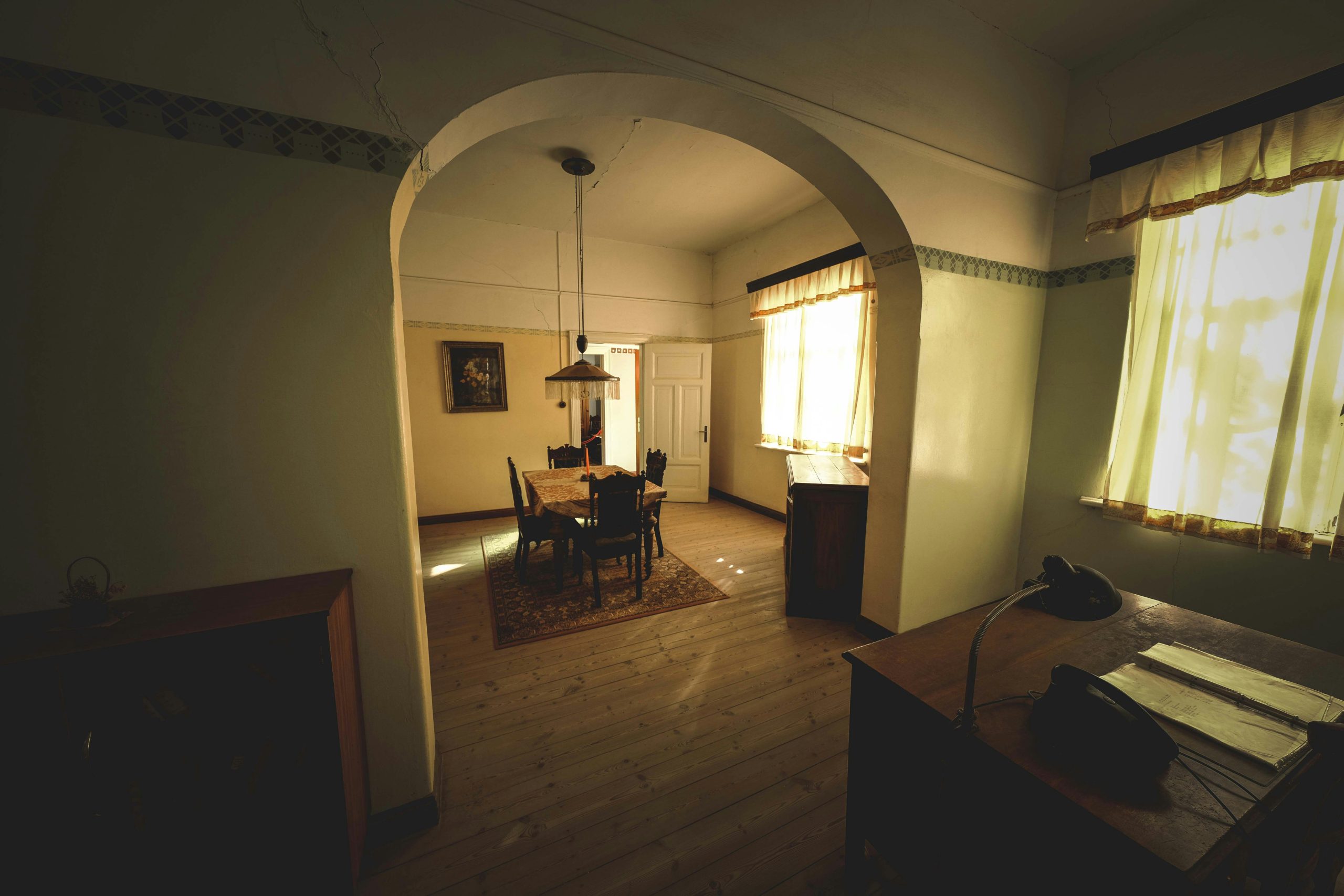
In today’s world, where apartments are shrinking and lifestyles are expanding, multi-functional rooms have become the ultimate design solution. They’re not just practical—they’re stylish, intentional, and perfectly suited for modern living. Whether you’re working from home, entertaining guests, or simply trying to maximize every square foot, multi-functional spaces are the key to making small homes feel big.
🌟 Why Multi-Functional Rooms Matter
- Space Efficiency: Every inch counts in small homes. Multi-functional design ensures no corner goes unused.
- Flexibility: Rooms can adapt to your changing needs—office by day, guest room by night.
- Cost Savings: Instead of investing in separate rooms or furniture, one well-designed space can serve multiple purposes.
- Lifestyle Alignment: Today’s homeowners want spaces that reflect their dynamic lives—work, play, rest, and creativity all in one.
🛋️ Smart Ideas for Multi-Functional Rooms
1. Living Room + Office
- Use a foldable desk or wall-mounted workstation.
- Add stylish storage baskets to hide office supplies when guests arrive.
- Incorporate a comfy chair that doubles as both work seating and lounge furniture.
2. Bedroom + Guest Space
- Invest in a Murphy bed or a sofa bed.
- Use layered textiles to make the room cozy for everyday use but welcoming for visitors.
- Add a divider (like a curtain or bookshelf) for privacy when needed.
3. Dining Room + Creative Studio
- A drop-leaf table can serve as both dining surface and craft station.
- Floating shelves keep art supplies or cookbooks organized.
- Use bright lighting that works for both meals and projects.
4. Kids’ Room + Play Zone
- Opt for bunk beds with built-in storage.
- Create a play corner with foldable mats that can be tucked away.
- Encourage creativity with chalkboard walls that double as décor.
🎨 Design Tips for Success
- Neutral Base, Bold Accents: Keep walls and large furniture neutral, then add pops of color with accessories.
- Hidden Storage: Ottomans, under-bed drawers, and wall-mounted cabinets keep clutter out of sight.
- Zoning with Rugs: Use rugs to visually separate areas within the same room.
- Lighting Layers: Task lighting for work, ambient lighting for relaxation, and accent lighting for mood.
💡 Final Thoughts
Multi-functional rooms aren’t just a trend—they’re a lifestyle shift. They allow small homes to feel expansive, adaptable, and deeply personal. With a little creativity, you can transform one room into a space that works harder, looks better, and truly supports the way you live.